

Protein Powders
Compare whey, casein, and plant-based proteins to find the best fit for muscle growth and digestion.
To make it simple, whey is a fast absorbed, which is beneficial after a workout for maximum gains.
Casein protein provides a slow but steady flow of protein, leading to more fullness
Plant-Based Protein is moderate in speed. Often needing to combined with various plants to make the protein complete.
All of these 3 types of of protein powders work, each one made to fit a person’s needs.
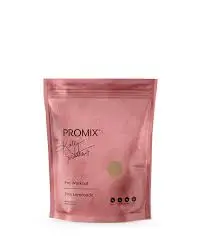
Pre-Workouts
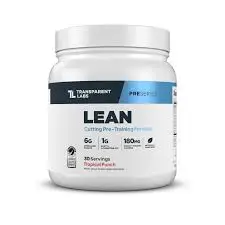
Explore energy-boosting ingredients and side effects to choose supplements that power your workouts safely.
Caffeine: A central nervous system stimulant that increases alertness, focus, and energy. It can improve both aerobic and anaerobic performance.
Creatine: One of the most researched supplements, it helps generate ATP to supply muscles with energy during short-term, high-intensity activities like sprinting or weightlifting.
Beta-Alanine: An amino acid that buffers muscle acidity (lactic acid), helping to delay fatigue and improve performance in high-intensity exercise lasting one to four minutes.
Nitric Oxide Boosters (e.g., L-citrulline, Arginine): These help improve blood flow and nutrient delivery to muscles by dilating blood vessels.
Vitamin B12: Essential for energy and neurotransmitter production; it is a primary ingredient in many mass-marketed “energy shots”.
- Jitters & Anxiety: Often caused by high doses of caffeine, synephrine, or yohimbine.
- Digestive Issues: High doses of magnesium, sodium bicarbonate, or caffeine can lead to bloating, nausea, or diarrhea.
- Paresthesia (Tingling Skin): A harmless “pins and needles” sensation typically caused by beta-alanine; this can often be minimized by splitting the dose into smaller amounts throughout the day.
- Cardiovascular Strain: Excessive stimulants can lead to rapid heart rate, palpitations, and increased blood pressure.
- Sleep Disruption: Caffeine can linger in the bloodstream for several hours; it is generally recommended to avoid “stim” supplements at least 6 hours before bedtime.
- Check for Third-Party Testing: Look for certifications like NSF Certified for Sport or Informed Sport to ensure products are free of banned substances.
- Avoid “Proprietary Blends”: These hide the exact amount of each ingredient, making it difficult to assess safety or efficacy.
- Assess Your Caffeine Intake: The FDA suggests a daily limit of 400 mg for most healthy adults.
- Start Small: When trying a new supplement, start with a half-serving to assess your tolerance.
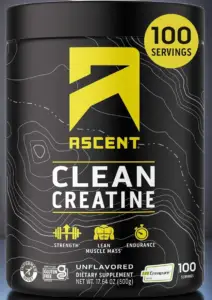
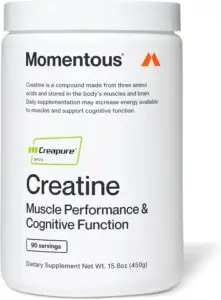
Creatine Types
Understand the differences between creatine monohydrate, ethyl ester, and blends for optimal strength gains.
- Creatine Monohydrate: The most researched form, consistently proven to increase muscle strength, power, and lean mass. It is highly stable, cost-effective, and about 88–90% pure creatine by weight.
- Creatine Ethyl Ester (CEE): Marketed as more fat-soluble and better absorbed. However, research indicates it degrades rapidly into creatinine(a waste product) in the digestive tract, making it less effective at increasing muscle creatine levels than monohydrate.
- Creatine Blends: These typically combine monohydrate with other ingredients like electrolytes, collagen, or vitamins to provide additional support for hydration or recovery. While they offer more convenience, the creatine component itself is usually not more effective than pure monohydrate.
- Micronized Creatine: A form of monohydrate where particles are mechanically processed to be finer. This improves solubility and mixability but does not change how the body absorbs or utilizes the creatine once consumed.
